Car insurance, explained simply
A plain-English guide to how coverage works and what you need.
Car insurance protects you financially if something unexpected happens — an accident, theft, or damage to your vehicle. You pay a premium, and in return your insurer helps cover repairs, medical bills, and damage you cause to others, up to your coverage limits.
Without insurance, those costs come straight out of your pocket. After a serious accident, they can add up to tens of thousands of dollars. That's why almost every state requires drivers to carry at least liability coverage — and why most drivers choose more than the minimum.
Below is a quick overview, followed by the 20 coverage types American drivers buy most, each explained in plain English.
🚗 Car insurance at a glance
- Average cost nationwide: about $2,100 per year ($175/month) for full coverage
- Required by law: most states require at least liability coverage to drive legally
- "Full coverage" usually means: liability + collision + comprehensive
- What affects your rate: driving record, location, age, credit, and the car you drive
- Easiest way to save: compare quotes from multiple carriers at least once a year
The 20 coverages drivers buy most
Start with liability (01–02) — it's required almost everywhere. Add collision and comprehensive (03–04) for "full coverage." Everything after that lets you tailor the policy to your car and your budget.
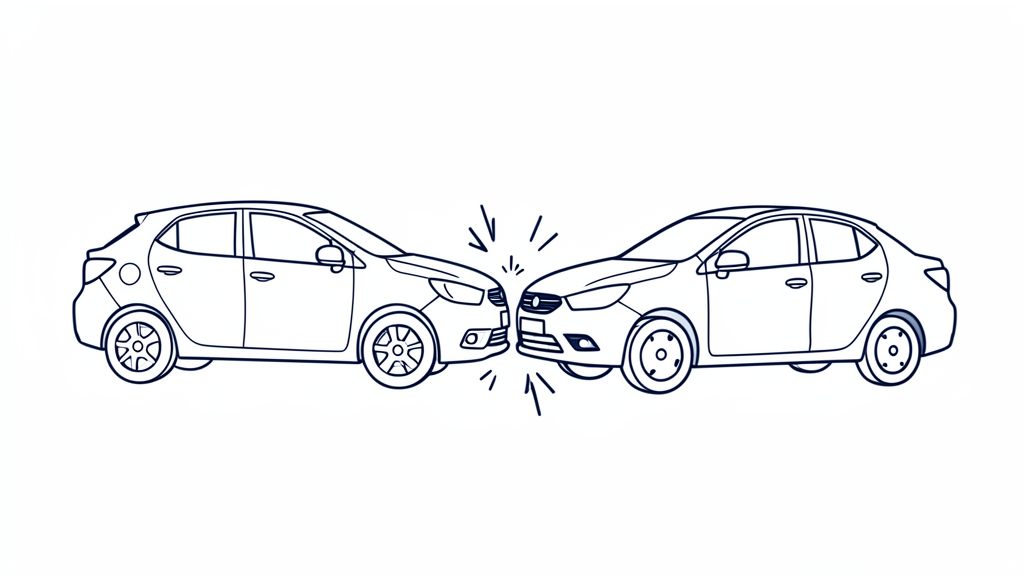
Bodily Injury Liability
Covers medical costs, lost wages, and legal fees if you injure someone in an at-fault accident.
Property Damage Liability
Pays for damage you cause to another person's vehicle or property in an accident.
Collision Coverage
Repairs or replaces your own vehicle after a collision, regardless of who is at fault.
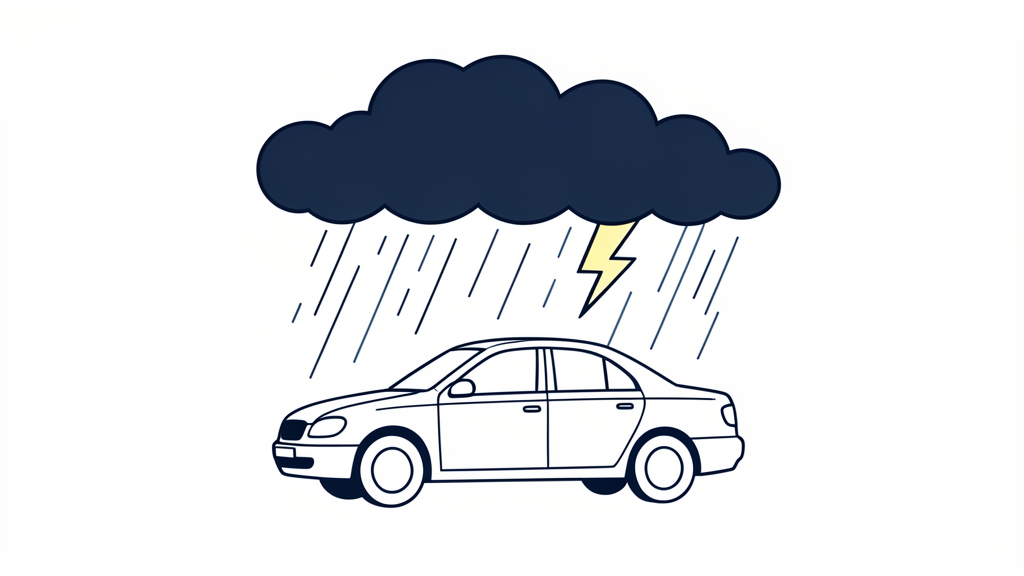
Comprehensive Coverage
Protects against theft, vandalism, fire, weather, falling objects, and animal damage.

Personal Injury Protection
No-fault medical coverage for you and your passengers, required in many states.
Medical Payments (MedPay)
Covers medical and funeral expenses after an accident, regardless of fault.
Uninsured Motorist
Steps in when you're hit by a driver with no insurance or in a hit-and-run.
Underinsured Motorist
Covers the gap when the at-fault driver's policy limits aren't enough.
Gap Insurance
Pays the difference between your car's value and what you still owe on a loan or lease.
Rental Reimbursement
Covers the cost of a rental car while your vehicle is being repaired after a claim.
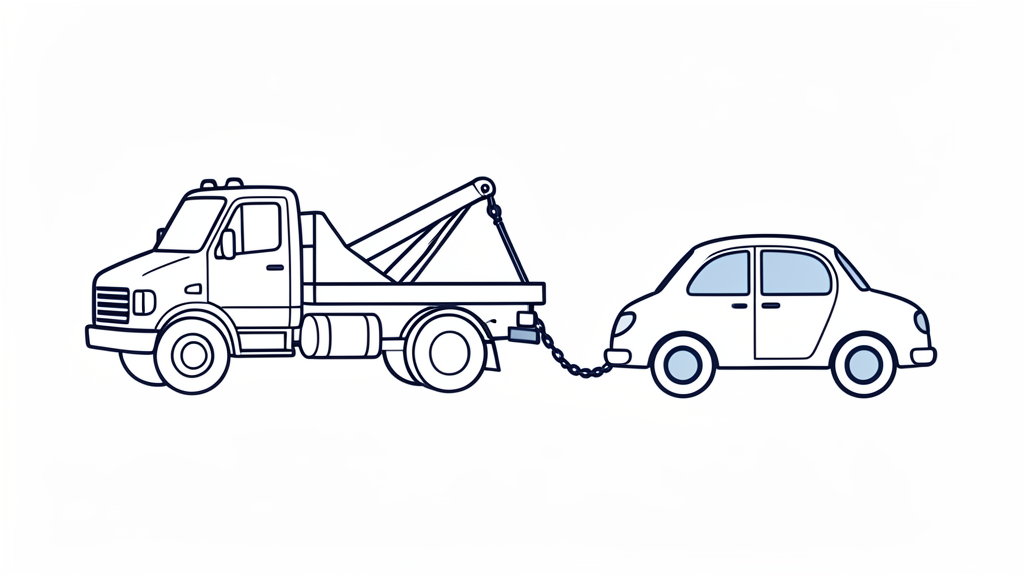
Roadside Assistance
Towing, jump-starts, flat tires, lockouts, and fuel delivery when you're stranded.
New Car Replacement
Replaces a totaled new car with a brand-new one of the same make and model.
Accident Forgiveness
Prevents your premium from increasing after your first at-fault accident.

Rideshare Coverage
Fills the coverage gap for drivers working with Uber, Lyft, and delivery apps.
Towing & Labor
Reimburses towing charges and on-site labor costs after a breakdown.

Custom Parts & Equipment
Covers aftermarket upgrades like wheels, stereos, and custom paint work.
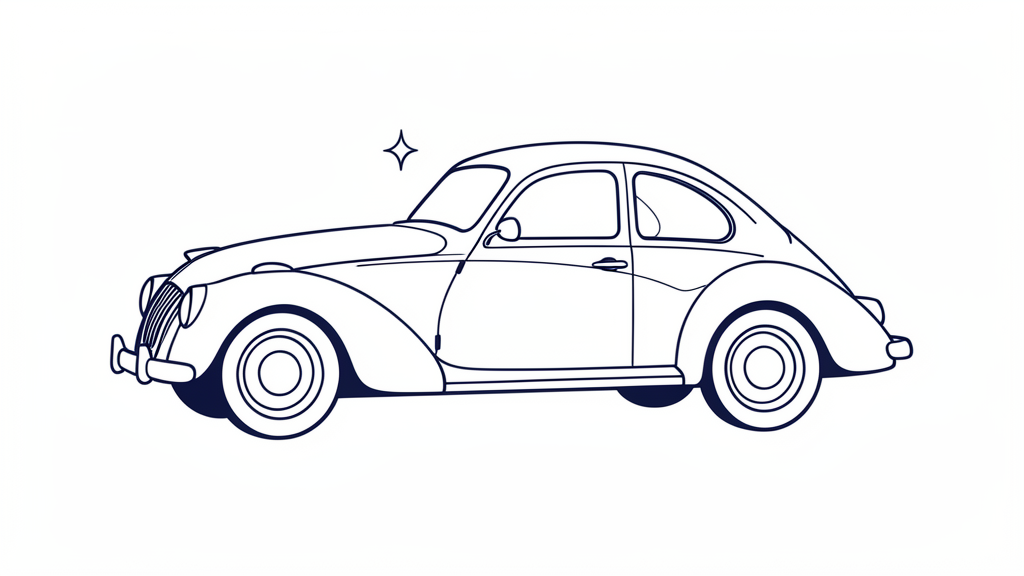
Classic & Collector Car
Agreed-value coverage tailored to vintage, antique, and collector vehicles.
Non-Owner Insurance
Liability protection for people who drive regularly but don't own a car.
SR-22 / FR-44 Filing
State-required proof of financial responsibility filings for high-risk drivers.
Mechanical Breakdown
Covers major mechanical and electrical repairs beyond the factory warranty.
Key terms, demystified
The words you'll see on every quote and policy.
Premium
The amount you pay for your policy, usually monthly or every six months.
Deductible
What you pay out of pocket before insurance kicks in. A higher deductible means a lower premium.
Coverage limit
The maximum your insurer will pay for a covered claim. State minimums are often too low to fully protect you.
Liability (100/300/50)
Limits shown as three numbers: per-person injury, per-accident injury, and property damage — in thousands of dollars.
Full coverage
Not a legal term — it usually means liability plus collision and comprehensive on your own vehicle.
No-fault state
A state where your own insurance pays your medical bills after an accident, regardless of who caused it.
Simple ways to pay less
Five proven strategies that lower premiums for most drivers.
- Compare quotes every year. Rates for the same driver can differ by hundreds of dollars between carriers — loyalty rarely pays.
- Raise your deductible. Moving from $500 to $1,000 can cut the collision and comprehensive portion of your premium by 10–20%.
- Bundle your policies. Insuring your car and home (or renters policy) with the same carrier typically saves 5–15%.
- Ask about discounts. Safe driver, good student, low mileage, defensive driving courses, and vehicle safety features all commonly qualify.
- Keep continuous coverage. A lapse in insurance — even a short one — can raise your rate significantly when you buy again.
See what you'd pay
Now that you know the coverages, find out what they cost for drivers like you.
Get a Quote